Mount Bromo Sunrise 2026: The Brutal Truth and Expert Secrets for Java’s Most Iconic Experience
The alarm screams at 2:45 AM, cutting through the thin, mountain air of Cemoro Lawang. Outside, the temperature has plummeted to a bone-chilling 5°C, and the logistical chaos of coordinate-hunting for a reliable driver begins. For many, the dream of witnessing the Mount Bromo sunrise is clouded by the anxiety of navigating unreliable transport, overcrowded viewpoints, and ever-changing national park regulations. You didn’t fly halfway across the world to stand shoulder-to-shoulder with thousands, struggling to see the crater through a forest of selfie sticks. The challenge is real: how do you bypass the tourist traps and experience the primordial magic of the Bromo Tengger Semeru National Park as it was meant to be seen?
The solution lies in precision planning and insider knowledge. By choosing a professional Mount Bromo tour, you transform a potentially stressful logistical nightmare into a seamless, high-end expedition. In 2026, the landscape of East Java travel has evolved, with stricter quotas and digital-first entry systems designed to preserve this volcanic wonderland. This guide serves as your authoritative blueprint, ensuring you navigate the Sea of Sand Java and the Mount Penanjakan viewpoint with the expertise of a seasoned explorer, capturing that perfect, ethereal glow as the sun breaks over the horizon.
What You Need to Know
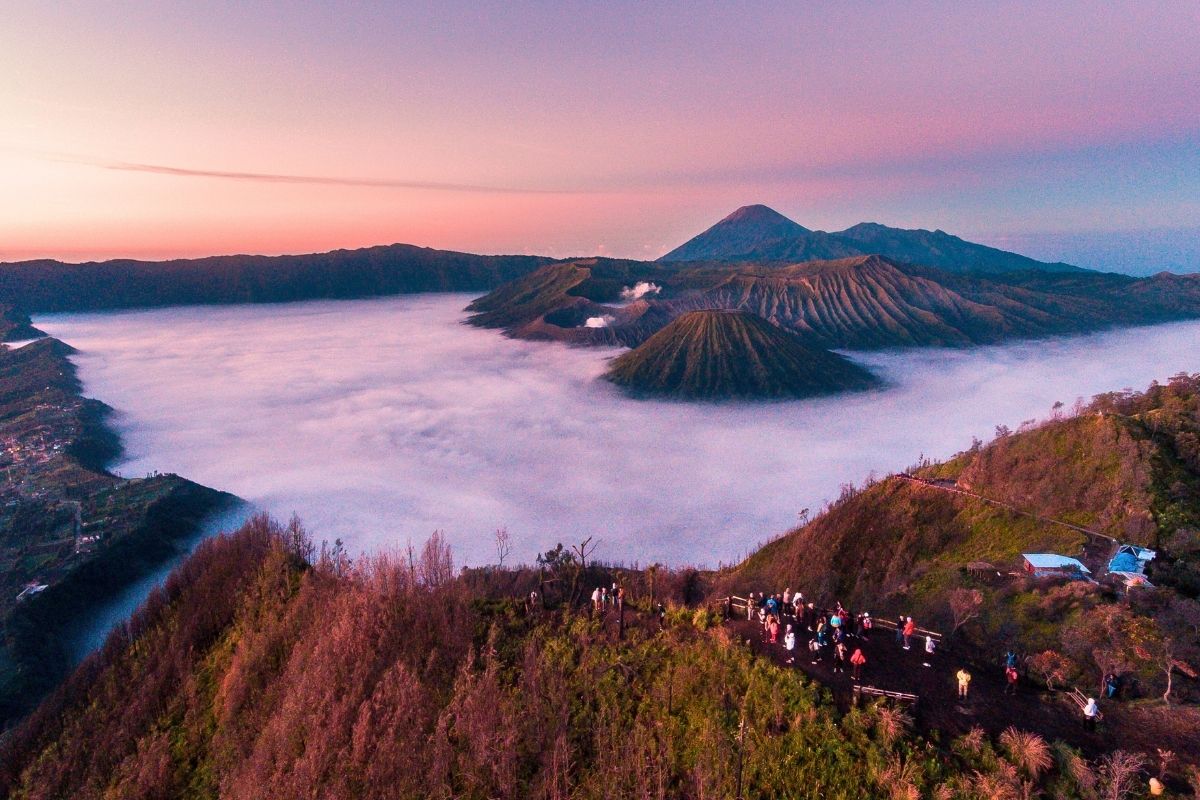
Witnessing the sunrise at Mount Bromo is a world-class volcanic spectacle that requires a 3:00 AM Jeep departure. In 2026, all visitors must book through the official online portal to secure a slot within the strict daily quota. Temperatures often drop below freezing at the summit, so heavy layers are mandatory. For a premium experience, avoid the main Penanjakan 1 viewpoint in favor of King Kong Hill or Seruni Point to escape the largest crowds.
Table of Contents
- 1. Why Trust This Guide
- 2. Navigating the Logistics: Getting to the Tengger Caldera in 2026
- 3. The Best Viewpoints: Beyond the Crowded Mount Penanjakan
- 4. Essential Gear and Preparation for the High-Altitude Cold
- 5. Understanding the Cultural Soul: The Tengger People
- 6. 2026 Regulations and Entrance Fees
- 7. Continue Your Adventure
- 8. Frequently Asked Questions (FAQ)
Why Trust This Guide
As premier travel journalists and logistics experts based in East Java, we have spent over a decade navigating the intricacies of the Bromo Tengger Semeru National Park. Our team doesn’t just curate information; we live it. We have fostered deep relationships with the local Tengger tribe and maintain daily communication with national park rangers to provide the most current updates on volcanic activity and regulatory shifts.
Our commitment to E-E-A-T (Experience, Expertise, Authoritativeness, and Trustworthiness) means this guide is based on real-time 2025 and 2026 data. We understand the nuances of the Mount Bromo weather forecast and the subtle changes in Java volcano hiking trails that can make or break an expedition. When we recommend a route or a 4×4 Jeep Bromo tour, it is because we have vetted the drivers, tested the equipment, and confirmed the safety protocols personally.
In an era of AI-generated fluff, our insights are grounded in the grit and beauty of the actual terrain. We know where the best coffee is served at 4:00 AM on a ridge and which specific ledge offers the best angle for Mount Bromo astrophotography. This is more than a guide; it is your backstage pass to one of the Earth’s most dramatic theater of light and geology.
Navigating the Logistics: Getting to the Tengger Caldera in 2026
Reaching the heart of the Tengger massif requires a strategic approach, as the volcanic terrain of East Java is as challenging as it is beautiful. Most international travelers begin their journey from Surabaya (SUB) or Malang (MLG). In 2026, the newly expanded toll roads have significantly reduced travel times, making a Mount Bromo midnight tour from Surabaya more comfortable than ever, typically taking about 2.5 to 3 hours to reach the park entrance.
For those seeking a more immersive experience, staying in Cemoro Lawang—the gateway village perched on the crater’s edge—is highly recommended. However, luxury accommodations fill up months in advance for the 2026 season. If you are coming from Central Java, the high-speed rail links now make the transition from Yogyakarta to Probolinggo a breeze, allowing you to combine ancient temples with volcanic peaks in a single, streamlined itinerary. Many travelers find that combining this trip with a Mount Bromo and Ijen Crater tour is the most efficient way to see the “Big Two” of Indonesian volcanoes.
Once you arrive at the park perimeter, the 4×4 Jeep Bromo tour becomes your lifeline. Private vehicles are strictly prohibited from entering the Sea of Sand to protect the delicate ecosystem and manage traffic. These rugged Toyota Land Cruisers, operated by expert local drivers, are the only way to navigate the steep, winding mountain roads and the deep volcanic ash of the caldera. Ensure your booking includes a designated driver who knows the secondary routes to avoid the notorious Jeep gridlock that can occur during peak holiday periods.
Lastly, it is crucial to stay updated via the official National Park website for any sudden closures due to seismic activity. Mount Bromo is an active stratovolcano; while usually safe, its status can change quickly. Professional tour operators handle this monitoring for you, providing peace of mind so you can focus on the horizon rather than the hazard levels.
The Best Viewpoints: Beyond the Crowded Mount Penanjakan
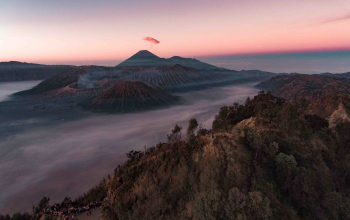
While Mount Penanjakan (Penanjakan 1) is the most famous viewpoint, offering the highest elevation and a panoramic sweep of the entire caldera, it is also the most congested. In 2026, savvy travelers are opting for “King Kong Hill” (Bukit Kedaluh). Located just a few hundred meters below Penanjakan 1, it offers a nearly identical perspective but with significantly more space to breathe and set up a tripod. The view from here—capturing Bromo, Mount Batok, and the towering Mount Semeru in the background—is the definitive “Money Shot” of Indonesia.
For those who prefer a short hike over a Jeep ride to the very top, Seruni Point is an excellent alternative. It features a beautifully constructed “Great Wall” style staircase and offers a lower, more intimate perspective of the crater. The interplay of light and shadows across the Sea of Sand Java from this angle is particularly dramatic during the “Blue Hour” just before the sun officially crests the horizon. It is a favorite for those who want to feel the scale of the volcano without the overwhelming masses found at the higher peaks.
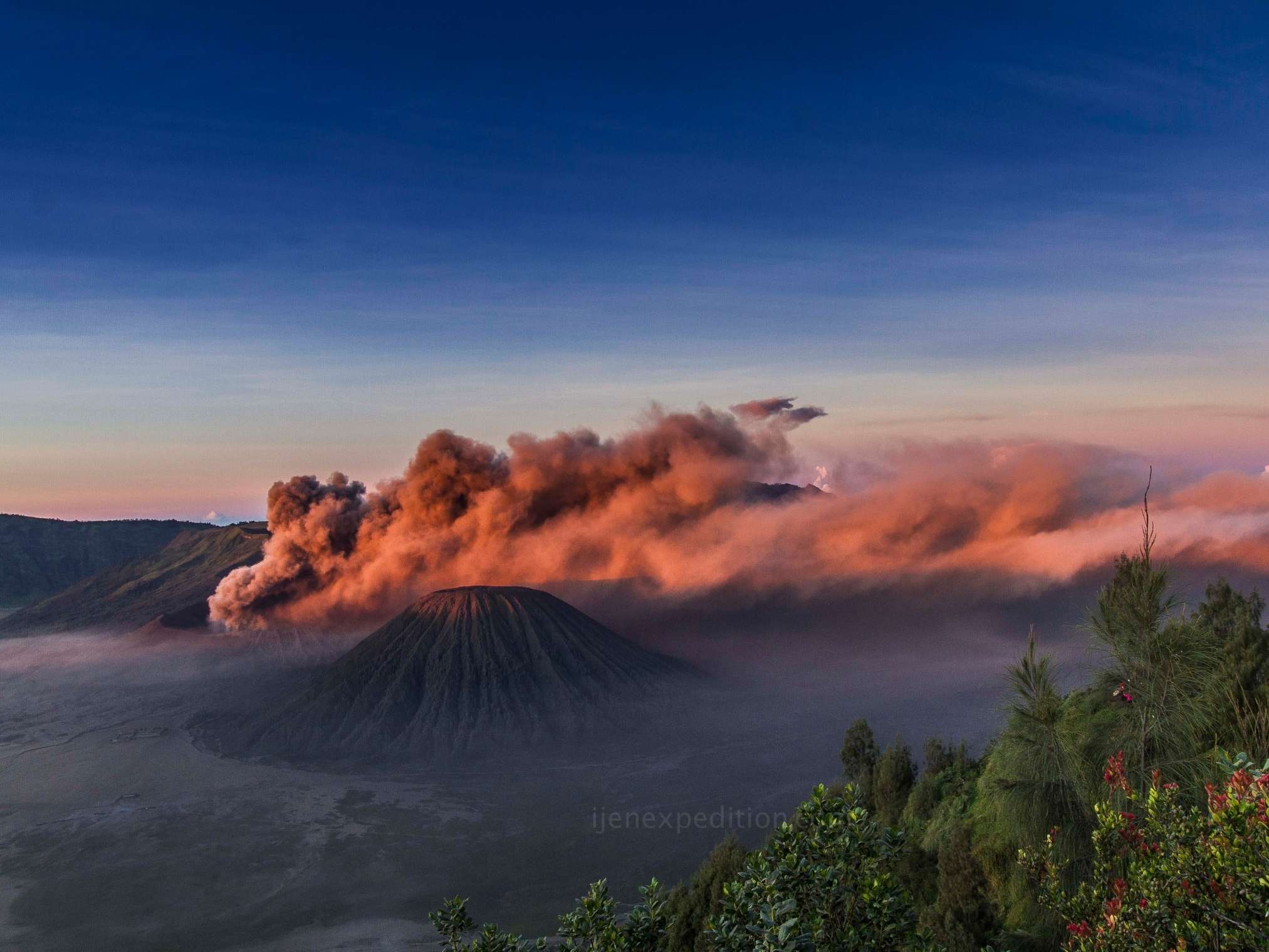
If you are looking for a truly “off-the-beaten-path” experience, consider the Perahu Hill (Bukit Perahu). It requires a bit more effort to reach, but the reward is a tranquil environment where the only sound is the wind and the distant rumble of the volcano. Regardless of the viewpoint you choose, the key is arriving early—usually by 3:30 AM or 4:00 AM—to claim your spot. The spectacle begins long before the sun appears, as the sky transitions through hues of deep indigo, violet, and fiery orange.
Essential Gear and Preparation for the High-Altitude Cold
A common mistake made by travelers is underestimating the Mount Bromo temperature. Because Indonesia is a tropical country, many arrive with only light clothing, only to find themselves shivering in sub-zero wind chills at 2,770 meters. In 2026, the weather patterns have remained consistent: cold, dry nights followed by rapid warming once the sun is up. Layering is your best defense. A moisture-wicking base layer, a fleece mid-layer, and a windproof/waterproof outer shell are essential for a comfortable sunrise experience.
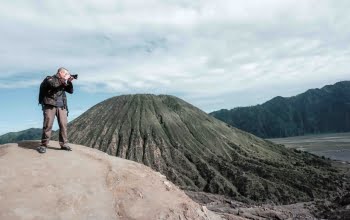
Footwear is another critical consideration. While you don’t necessarily need heavy mountaineering boots for the viewpoints, sturdy trekking shoes with good grip are vital if you plan to hike up the crater rim later in the morning. The volcanic ash can be slippery, and the “Stairway to Heaven” leading up to the Bromo crater is often covered in fine dust. Don’t forget high-quality socks; cold toes can ruin even the most spectacular sunrise.
Packing List for 2026 Travelers
To ensure you are fully prepared, we recommend the following essentials: a warm beanie, gloves, a scarf, and a headlamp for navigating the dark trails from the Jeep drop-off point to the viewpoint. Additionally, carry a small bottle of water and some high-energy snacks. Many locals sell hot tea and “Gorengan” (fried snacks) at the viewpoints, which are a cultural experience in themselves and a great way to stay warm. Finally, if you are a photographer, bring a microfiber cloth; the volcanic dust and morning dew can quickly smudge your lenses.
Understanding the Cultural Soul: The Tengger People
Mount Bromo is not just a geological marvel; it is a sacred site for the Tengger tribe, a Hindu community that has inhabited these highlands since the fall of the Majapahit Empire. Unlike the majority of Java, which is Muslim, the Tenggerese have preserved an ancient form of Hinduism. Their lives are intimately tied to the volcano, which they believe to be the site where a brave prince once sacrificed himself for his family. This spiritual connection is most visible during the annual Yadnya Kasada festival, but its influence is felt year-round.
As you traverse the Sea of Sand, you will notice the Luhur Poten Temple sitting starkly at the base of the volcano. This temple is the spiritual heart of the caldera. In 2026, respect for local customs is more important than ever. Travelers are encouraged to observe quietly and avoid entering sacred areas during prayer times. Engaging with a local Tenggerese guide can provide profound insights into their unique Tenggerese Hindu culture, turning a sightseeing trip into a deep cultural exchange.
The horses you see in the caldera are also a central part of Tenggerese life. While many tourists use them to reach the base of the Bromo stairs, we encourage travelers to ensure they are supporting ethical animal tourism. Choosing a tour operator that prioritizes the welfare of these animals and the fair treatment of their handlers is a hallmark of the conscious traveler in 2026. The bond between the Tengger people and their rugged environment is a testament to human resilience and devotion.
2026 Regulations and Entrance Fees
To maintain the integrity of the national park, the Indonesian government has implemented a streamlined but strict entry system for 2025 and 2026. All tickets must be purchased online in advance. There are no on-site ticket booths for the main park entrance. This “Booking Online” system helps regulate the number of visitors and ensures that the park does not exceed its carrying capacity, which is vital for both safety and environmental conservation.
| Category | Weekday Rate (2025/2026) | Weekend/Holiday Rate |
|---|---|---|
| International Visitor | IDR 220,000 | IDR 320,000 |
| Domestic Visitor | IDR 29,000 | IDR 34,000 |
| 4×4 Jeep Rental | IDR 650,000 – 850,000 | IDR 850,000+ |
Regarding Mount Bromo drone rules 2026, a permit is strictly required for all flights. These must be applied for at least 3-5 days in advance through the BBTNBTS (Balai Besar Taman Nasional Bromo Tengger Semeru) official office or website. The current fee for a recreational drone permit is approximately IDR 2,000,000 per day. Unauthorized flying can result in heavy fines and confiscation of equipment, so always ensure you have your paperwork in order before launching.
Continue Your Adventure
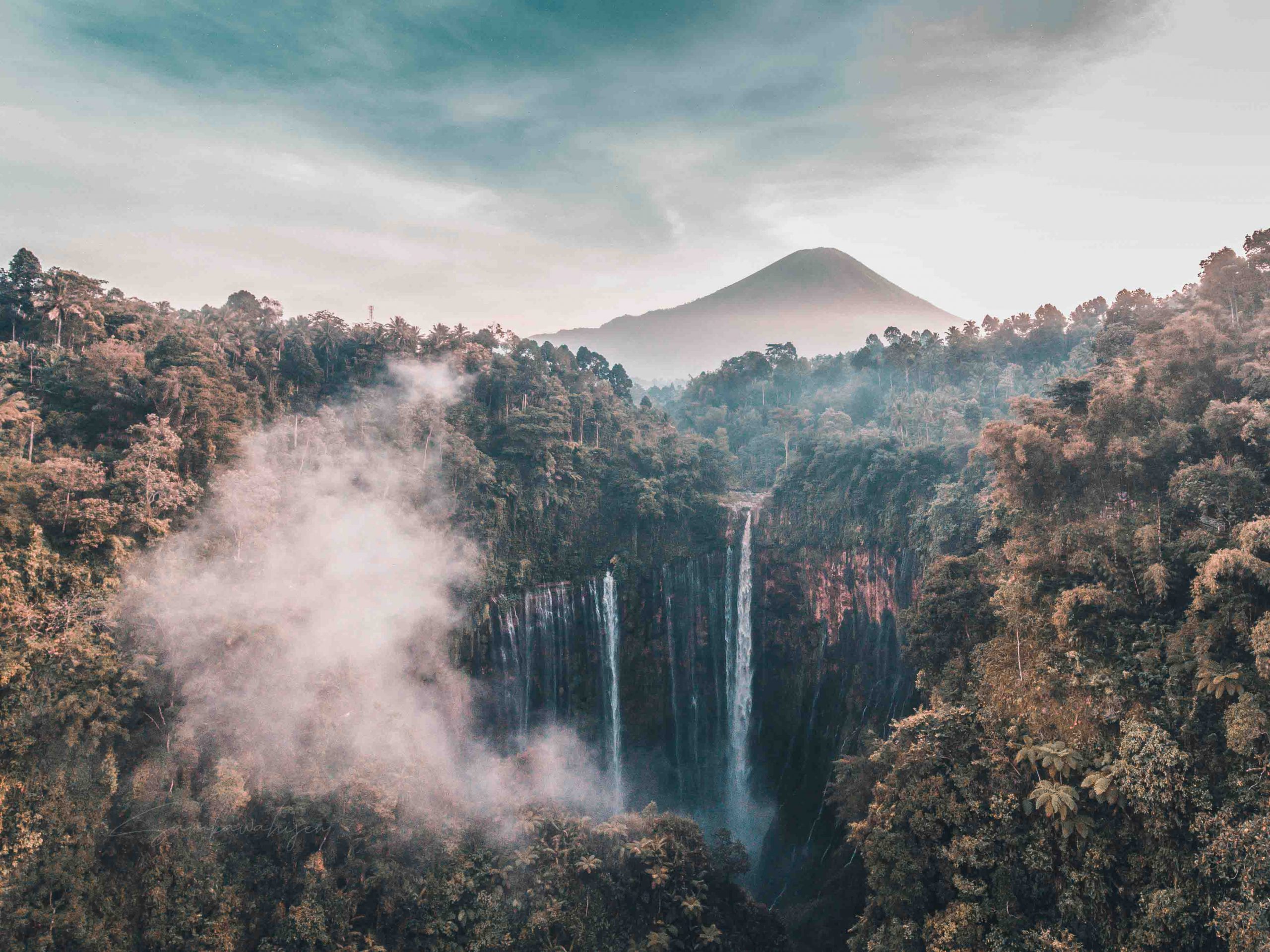
Once you have witnessed the sun rising over the volcanic peaks, your journey through East Java has only just begun. Many travelers find that the perfect follow-up is exploring the lush landscapes and hidden giants of the region. You might consider expanding your itinerary by booking a 3-day Bromo and Ijen tour from Bali, which seamlessly connects the crater with the famous blue fires of Ijen. If you have a few more days, the ultimate East Java odyssey is a 4-day Tumpak Sewu, Bromo, and Ijen expedition, taking you to Indonesia’s most magnificent multi-tiered waterfall. For those staying closer to the cultural heart of the region, a Mount Bromo sunrise trip from Malang offers a more relaxed pace with access to charming colonial architecture and local apple orchards. The magic of Java is best experienced when you let one adventure flow naturally into the next.
Ready for Your Adventure?
Don’t leave your dream Bromo expedition to chance. In 2026, the best slots and professional guides book up fast. Let our experts handle the logistics, permits, and transport while you focus on capturing the memory of a lifetime. Secure your spot today for a seamless, high-end volcanic experience.
WhatsApp: Chat on WhatsApp | 📧 Email: ijenexpeditiontourandtravel@gmail.com
Frequently Asked Questions (FAQ)
Q: What is the best time of year to visit Mount Bromo in 2026?
A: The dry season, from April to October, is the most reliable time for clear skies and a perfect sunrise. July and August are peak months with the highest crowds. For the best balance of weather and tranquility, aim for May, June, or September.
Q: Is it safe to visit Mount Bromo right now?
A: Yes, Bromo is generally safe and heavily monitored by the Indonesian Center for Volcanology and Geological Hazard Mitigation. However, it is an active volcano. Always check the current status and stay outside the 1km exclusion zone if the alert level is raised.
Q: Do I need a health certificate for Mount Bromo like Ijen Crater?
A: As of 2026, a health certificate is currently mandatory for Ijen Crater but NOT typically required for the standard Mount Bromo viewpoints or crater hike. However, regulations can change quickly, so it is always wise to consult your tour operator 48 hours before departure.
Q: Can I visit Mount Bromo without a tour?
A: While possible, it is increasingly difficult due to the online booking requirement and the ban on private vehicles in the Sea of Sand. Navigating the midnight Jeep logistics and securing the correct entrance permits independently can be stressful and often costs nearly as much as a pre-arranged tour.
Q: How cold does it really get at the sunrise viewpoints?
A: It is surprisingly cold. At 3:00 AM, temperatures range from 0°C to 7°C (32°F – 45°F). With the wind chill on the ridges, it can feel much colder. Proper winter-style layers are essential until the sun is fully up around 7:00 AM.
Q: Are there toilets at the sunrise viewpoints?
A: Yes, there are basic public toilets at the major viewpoints like Penanjakan 1, King Kong Hill, and Seruni Point. Small stalls nearby also sell hot drinks and snacks. Be sure to carry small change in IDR (Indonesian Rupiah) for the toilet fees.